

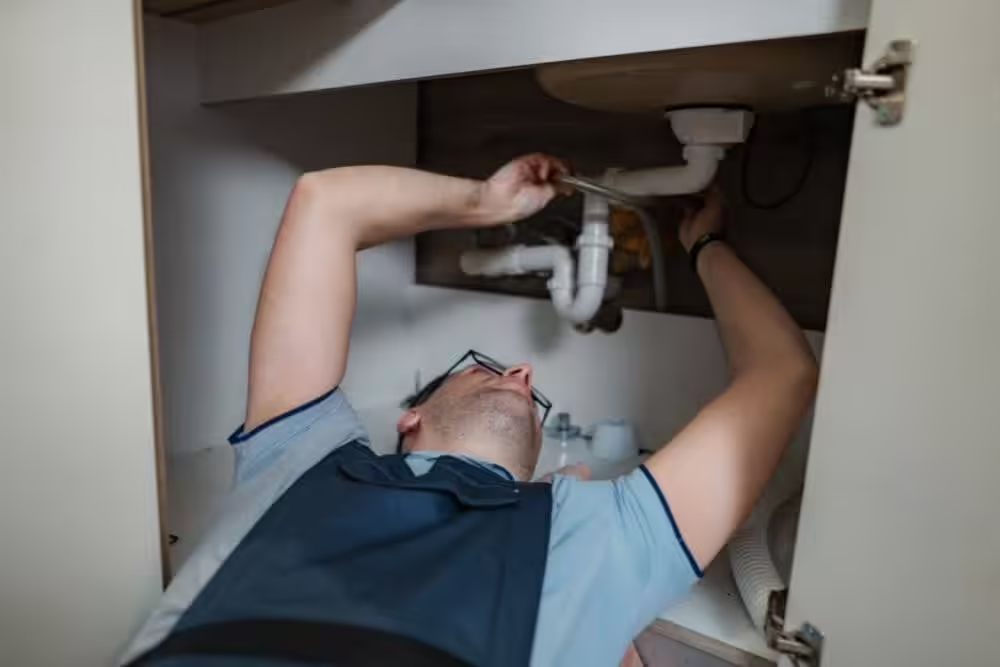
What You Need to Know About Plumbing Maintenance
Have you ever woken up to a flooded bathroom or discovered a mysterious puddle forming under your kitchen sink? Perhaps you’ve experienced that dreaded moment when the shower suddenly runs cold, or the toilet refuses to flush properly? If so, you’re certainly not alone. These plumbing nightmares happen to countless Australian homeowners every single year.
Here’s the thing though – most of these disasters are completely preventable. Regular plumbing maintenance is one of those household tasks that’s easy to overlook until something goes wrong. Yet taking a proactive approach to your pipes, drains, and fixtures can save you thousands of dollars and a whole lot of stress down the track.
In this guide, we’ll explore everything you need to know about keeping your plumbing system in top shape. From understanding what preventative care actually involves to spotting warning signs before they become emergencies, we’ve got you covered. You’ll discover practical DIY tips, learn when to call in the professionals, and get a clear picture of what plumbing maintenance costs in Australia. By the end, you’ll feel confident about taking control of your home’s plumbing health.
What Is Plumbing Maintenance and Why Do You Need It?
The Basics of Preventative Plumbing Care
Think of plumbing maintenance like servicing your car. You wouldn’t drive for years without checking the oil or replacing worn parts, would you? Your plumbing system deserves the same attention. Preventative plumbing care involves regular inspections, cleaning, and minor repairs that keep everything running smoothly.
This includes checking for leaks, clearing drains, testing water pressure, and inspecting your hot water system. It also means keeping an eye on your pipes, taps, and toilets for signs of wear. The goal is simple: catch small issues before they turn into expensive problems.
How Often Should You Service Your Plumbing System?
Most experts recommend a professional plumbing inspection at least once a year. However, certain components need more frequent attention. For instance, you should clear your drains every few months and check under sinks weekly for any moisture. Hot water systems typically require annual servicing to maintain warranty coverage and optimal performance.
Common Plumbing Problems Every Homeowner Should Know
Leaky Taps and Running Toilets
That annoying drip from your bathroom tap isn’t just irritating – it’s also wasting water and money. A single leaky tap can waste over 20,000 litres of water annually. Running toilets are equally problematic, often caused by worn flappers or faulty fill valves.
The good news? These are usually straightforward fixes. A tap washer replacement costs next to nothing, and toilet repairs are often simple enough for handy homeowners to tackle themselves.
Blocked Drains and What Causes Them
Blocked drains are perhaps the most common plumbing complaint in Australian homes. The usual culprits include hair buildup in bathroom drains, grease accumulation in kitchen sinks, and foreign objects flushed down toilets. Tree roots can also invade underground pipes, causing serious blockages.
Prevention is your best friend here. Use drain guards, avoid pouring cooking oil down the sink, and be mindful of what goes into your toilet.
Low Water Pressure: Causes and Solutions
Nothing’s more frustrating than a weak shower or a tap that barely trickles. Low water pressure can result from various issues, including blocked pipes, faulty pressure regulators, or problems with your local water supply. Sometimes it’s as simple as a clogged aerator on your tap.
If the issue affects your entire home, it’s worth contacting your water supplier first. For localised problems, a plumber can identify and resolve the cause quickly.
Hot Water System Issues
Your hot water system works hard, and problems can range from inconsistent temperatures to complete failure. Sediment buildup, faulty thermostats, and worn heating elements are common issues. Regular maintenance helps extend your system’s lifespan and keeps those hot showers flowing.
Signs Your Plumbing Needs Immediate Attention
What Are the Warning Signs of Plumbing Problems?
Your plumbing system often gives you clues before disaster strikes. Watch out for unexplained increases in your water bill, which may indicate hidden leaks. Slow-draining sinks, gurgling sounds from pipes, and unpleasant odours are also red flags.
Discoloured water, damp patches on walls or ceilings, and a persistent sewage smell all warrant immediate investigation. Don’t ignore these warning signs – addressing them promptly can prevent major damage.
When Should You Call a Licensed Plumber?
While some maintenance tasks are DIY-friendly, certain situations demand professional help. Burst pipes, sewage backups, and gas line issues require a licensed plumber immediately. The same applies to major leaks, hot water system failures, and any work involving your mains water supply.
In Australia, plumbing work must comply with regulations, and only licensed professionals can legally perform certain tasks. When in doubt, it’s always safer to call an expert.
DIY Plumbing Maintenance Tips You Can Do Today
Simple Checks to Prevent Costly Repairs
You don’t need fancy tools to perform basic plumbing maintenance. Start by regularly checking under sinks for moisture or drips. Test your taps for steady water flow and inspect toilet bases for any signs of leaking.
Once a month, run water through rarely used drains to prevent trap evaporation. Check your water meter before and after a two-hour period of no water use – if it changes, you might have a hidden leak.
How to Maintain Your Drains Without Harsh Chemicals
Chemical drain cleaners can damage pipes over time. Instead, try these gentler methods:
– Pour boiling water down drains weekly
– Use a mixture of bicarb soda and vinegar monthly
– Install mesh screens to catch hair and debris
– Flush drains with hot water after washing greasy dishes
These simple habits keep drains flowing freely without harming your pipes or the environment.
Seasonal Plumbing Maintenance Checklist
Each season brings different plumbing considerations. In winter, insulate exposed pipes to prevent freezing (yes, even in Australia’s cooler regions). Check outdoor taps and hoses before summer arrives. Autumn is perfect for clearing gutters and downpipes before heavy rains.
Spring cleaning should include inspecting your hot water system and testing all taps and toilets. Creating a seasonal routine makes maintenance manageable and helps you stay on top of potential issues.
How Much Does Plumbing Maintenance Cost?
Average Plumbing Service Costs in Australia
Plumbing costs vary depending on location, complexity, and timing. Generally, expect to pay between $80 and $150 per hour for a licensed plumber. A basic inspection might cost $100-$200, while more involved maintenance could run higher.
Emergency call-outs typically attract premium rates, often double the standard fee. This is precisely why preventative maintenance makes financial sense – regular servicing is far cheaper than emergency repairs.
Is Professional Plumbing Maintenance Worth the Investment?
Absolutely. Consider this: a burst pipe can cause thousands of dollars in water damage within hours. Regular maintenance catches potential problems early, saving you from costly emergency repairs and property damage.
Professional plumbers also spot issues invisible to untrained eyes. Their expertise, combined with specialised equipment, provides peace of mind that your plumbing system is functioning optimally.
Choosing the Right Plumber for Ongoing Maintenance
What to Look for in a Reliable Plumber
Finding a trustworthy plumber is vital for ongoing maintenance. Look for licensed professionals with positive reviews and proper insurance coverage. Local plumbers often provide better ongoing service and faster response times.
Check their experience with your specific needs – whether that’s hot water systems, blocked drains, or general maintenance. A good plumber will happily provide references and explain their pricing structure upfront.
Questions to Ask Before Hiring a Plumbing Professional
Before committing, ask about their licensing and insurance. Request a written quote and clarify what’s included. Ask about warranties on their work and whether they offer maintenance packages.
Don’t be shy about asking how long they’ve been in business and whether they can provide references. A reputable plumber welcomes these questions and answers them openly.
The Long-Term Benefits of Regular Plumbing Maintenance
Avoiding Emergency Plumbing Disasters
Regular maintenance dramatically reduces the risk of plumbing emergencies. By identifying and addressing minor issues early, you prevent them from escalating into major problems. This means fewer midnight plumber calls and significantly less stress.
Think of maintenance as insurance – a small investment that protects you from potentially massive repair bills and the disruption of emergency situations.
Extending the Lifespan of Your Plumbing System
Well-maintained plumbing systems last considerably longer than neglected ones. Regular care prevents corrosion, reduces wear on fixtures, and keeps pipes clear. Your hot water system, in particular, benefits enormously from annual servicing.
Investing in maintenance today means delaying expensive replacements tomorrow. It’s a straightforward equation that benefits your wallet and your peace of mind.
Taking Control of Your Home’s Plumbing Health
Looking after your plumbing doesn’t have to be complicated or expensive. Throughout this guide, we’ve covered the essentials – from understanding what maintenance involves to recognising warning signs that demand attention. You’ve learned practical DIY tips and discovered when professional help is necessary.
The key takeaway? Proactive maintenance beats reactive repairs every single time. Those few hours spent checking drains, inspecting taps, and scheduling annual service appointments can save you thousands in emergency repairs. Plus, you’ll enjoy the comfort of reliable plumbing day in, day out.
So why not start today? Grab a torch, check under your sinks, and schedule that annual inspection if you haven’t already. Your future self will thank you when everything keeps flowing smoothly. After all, there’s nothing quite like the peace of mind that comes from knowing your home’s plumbing is in excellent shape.