

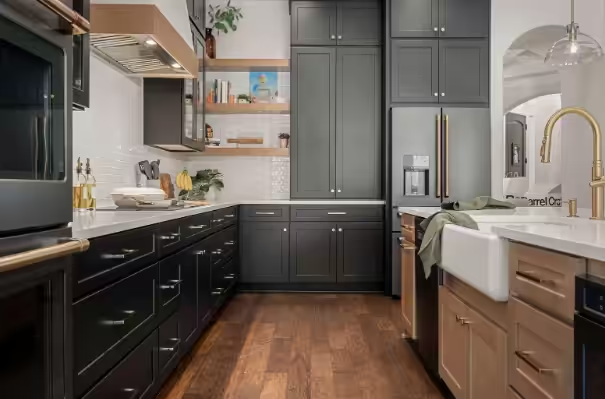
Tips for Estimating Your Kitchen Cabinet Project Budget
Planning new kitchen cabinets can feel exciting, but the costs are not always easy to predict. Cabinet material, kitchen size, door style, storage features, and labour can all change the final amount. A realistic kitchen cabinet budget helps homeowners make confident choices while avoiding expenses that may appear after work begins.
The kitchen cabinet installation cost should be considered early rather than treated as a small extra expense. Installation may include removing old cabinets, preparing walls, assembling cabinet boxes, fitting doors, adding hardware, and cleaning the work area. Understanding these services makes it easier to compare estimates and calculate the complete project cost.
Begin With a Realistic Spending Limit
Start by deciding how much you can comfortably spend without affecting other household needs. Your budget should cover more than the cabinets themselves. Delivery, installation, hardware, wall repairs, and waste removal may also appear on the final invoice. It helps to divide the available money into separate categories. For example, you can set aside amounts for cabinet boxes, doors, hardware, installation, and unexpected work. This method shows where your money is going and helps prevent one design choice from taking over the whole budget. You should also keep a contingency fund. Reserving around 10% to 20% of your planned amount can provide protection if the installer finds uneven walls, damaged drywall, old plumbing, or other hidden problems.
Measure the Kitchen Carefully
Cabinet prices often depend on the number and size of units needed. Therefore, accurate measurements are an important part of early cabinet project planning. Measure every wall where a cabinet may be installed. Also record the location of doors, windows, electrical outlets, plumbing lines, and major appliances. A simple drawing can help you understand the available space. However, measurements taken by a homeowner should usually be treated as an early estimate. A cabinet designer or installer should confirm them before materials are ordered. Incorrect measurements can lead to gaps, fitting problems, delayed work, and replacement costs. Professional verification may add a small amount to the initial planning process, but it can prevent much larger expenses later.
Compare the Main Cabinet Types
The cabinet category you choose will have a major effect on your budget. Stock cabinets are produced in standard sizes and usually offer fewer door styles and finishes. They are often suitable for straightforward layouts and homeowners who want to control costs.
Semi-custom cabinets provide more choices in size, colour, finish, and storage. They can work well for kitchens that need some flexibility without requiring fully personalised construction. Custom cabinets are made for a specific room and design. They can fit unusual walls, corners, or ceiling heights. However, the added design work, skilled labour, and material choices usually increase the cost of installing kitchen cabinets. The right option is not simply the cheapest or most expensive one. It should match the room, daily storage needs, expected lifespan, and available budget.
Look Beyond the Cabinet Door Style
Door style has a strong visual effect, but cabinet construction matters just as much. Ask what materials are used for the cabinet boxes, shelves, drawer bottoms, and back panels. Plywood, engineered wood, and solid wood can have different price points and performance levels. A lower-priced cabinet may look attractive at first, but weak shelves or poor hardware can cause problems with regular use. On the other hand, you may not need the most expensive material in every part of the kitchen. A trusted cabinet professional can explain where higher-quality construction provides the most practical value. Painted finishes, natural stains, decorative panels, glass inserts, and detailed trim may also add to the total. When comparing products, check both appearance and construction rather than focusing only on the door sample.
Include Hardware and Storage Features
Handles and knobs may appear inexpensive when viewed individually. However, a kitchen can require many pieces, so the total can grow quickly. Soft-close hinges and drawer slides may also raise the initial cost, although many homeowners value their quiet and controlled operation. Interior storage features should be planned at the same time. Pull-out shelves, waste-bin cabinets, tray dividers, spice racks, deep drawers, and corner systems can make the kitchen easier to use. Still, adding every available feature may push the project beyond its budget. Focus on features that solve real daily problems. For example, a pull-out shelf may be more useful than decorative trim if reaching items at the back of a cabinet is difficult.
Review Installation and Related Work
In the second half of your planning process, it is wise to speak with an experienced cabinet shop in Orland Park, IL about local labour, delivery, and fitting requirements. A local professional may better understand common home layouts, access conditions, and renovation needs in Orland Park, IL. Ask for a written estimate that explains what the installation service includes. Some quotes cover cabinet assembly, fitting, door adjustment, handles, trim, and cleanup. Others may only cover basic placement. The estimate should also state whether old cabinet removal and disposal are included. Related work can affect the budget as well. Plumbing may need to be moved for a sink cabinet. Electrical outlets may require adjustment, while walls might need patching or painting. Countertops and backsplashes can also be affected when existing cabinets are removed.
Compare Detailed Estimates Fairly
Try to obtain more than one estimate, but compare them carefully. A lower price may exclude services that another company includes. Review cabinet material, construction, finish, hardware, delivery, labour, cleanup, project timing, and warranty coverage. Experience and transparency are important signs of trust. A knowledgeable cabinet professional should explain why certain materials or layout choices affect the price. They should also answer questions clearly without pressuring you to select unnecessary upgrades. Customer reviews, completed project photos, written warranties, and clear business information can help you judge a provider’s reliability. These checks support better decisions and reflect the trust and experience principles valued in helpful, people-first content.
Keep the Project Within Budget
You can often reduce costs without choosing poor-quality cabinets. Keeping the existing kitchen layout may limit plumbing and electrical changes. Standard cabinet sizes can also cost less than units made for unusual spaces. Spend more on areas that receive frequent use, such as drawer slides, hinges, and cabinet boxes. Meanwhile, consider simpler finishes or fewer decorative additions. Finalise the layout before ordering because late changes can create delays, restocking charges, and additional labour.
Final Thoughts
A dependable cabinet budget begins with accurate measurements, clear priorities, and a complete written estimate. Remember to account for materials, hardware, delivery, installation, related repairs, and unexpected expenses. For homeowners in Orland Park, working with a knowledgeable local cabinet provider can make costs easier to understand. Careful planning allows you to choose cabinets that suit your storage needs, home style, and finances without sacrificing the quality required for everyday use.