

Baseball Trading Pins Explained: Designs, Features, And Tournament Traditions
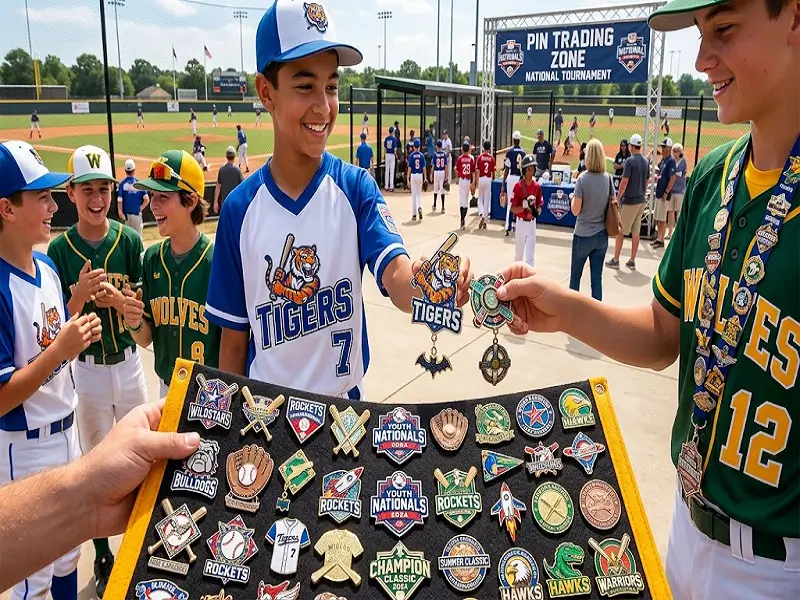
Baseball trading pins have a small appearance, but they carry a surprising amount of team identity. A well-designed pin can help you to start a conversation with another coach at a tournament, which can become a keepsake for a player or remind a family of a weekend they will talk about for years. This pin tradition is especially visible around major youth events, where collecting and exchanging pins has grown into a social part of tournament culture.
Little League can itself describe pin trading at the World Series as a popular off-field activity, with fans who bring designs to represent their cultures, hometowns, and teams. This guide will walk you through the importance of trading pins, designs and features, and steps to create them.
Why Baseball Trading Pins Matter at Tournaments
The appeal of the trading pins can go beyond decoration. A tournament pin is just like a tiny team souvenir, but it is designed to be exchanged.
1.More Than A Team Logo
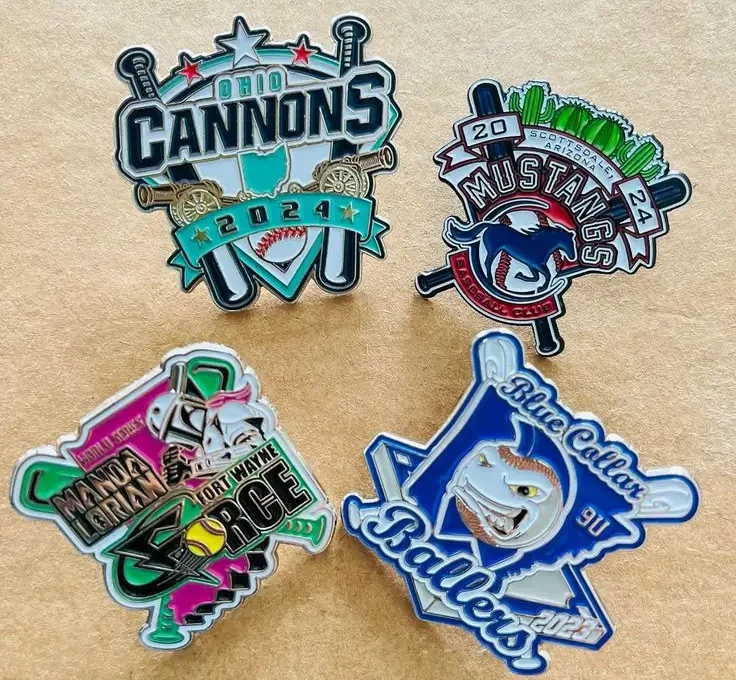
Choosing a strong pin can tell a story quickly. It often features a team mascot that can swing a bat, a hometown reference, the tournament year, or an inside joke players immediately recognise. That personal connection can make trading fun.
2.Rarity Changes Interest
Every pin does not need to be rare, but limited quantities can make a design more desirable. An anniversary pin, a championship edition, or a special tournament version often becomes the one that players want to keep instead of trading. In 2025, for example, a Haddonfield Little League bat-flip pin was limited to just 75 pieces and was intended for trading at the World Series.
3.Makes A Pin Memorable
Recognition is important for trading pins. A crowded design which is filled with tiny words often looks impressive on a computer, but it can become difficult to understand at two inches wide. Elements like bold outlines, a strong mascot, clear colours and one memorable feature can often work better.
4.The Social Side Of Trading
When you walk around a tournament, you will notice something interesting: pin trading can create easy introductions. A player can approach someone from another team, compliment a design, and start a trade without needing much conversation. This simple interaction is part of the charm.
Popular Baseball Trading Pins Designs and Features
The best designs can enable you to balance personality with practical manufacturing limits. You should think of the pin as miniature branding: every element has to earn its space.
●Mascots and Baseball Characters
Mascots are still a reliable choice as they give designers room to show their attitude. A charging bulldog, fierce tiger, or smiling baseball can help you communicate team personality without much text.
●Shapes That Stand Out
Pins do not contain any rectangles or circles. Bats, gloves, baseball diamonds, shields, jerseys, and custom silhouettes can help you create a stronger visual impression. When several teams display their pins together, an unusual outline can also make a collection more interesting.
●Enamel, Glitter, and Metal Finishes
Choosing the colour for trading badges is one of the biggest design decisions. Soft enamel trading is widely used as recessed colour areas can create a tactile finish while raised metal lines help you define the artwork. Manufacturers also provide options such as glitter, sliders, danglers, printed details, and spinners.
●Interactive Add-Ons
Moving parts of the pin badges can turn an ordinary pin into a conversation piece. A dangling championship banner, rotating baseball, or sliding bat gives collectors something to play with. These additions can help you to increase appeal, although they also add cost and complexity.
●Tournament and Championship Editions
Teams often create a primary season pin and then help them to produce special versions for divisional wins, regional championships, or major tournament appearances. The progression can create a visual record of the season and gives players something which is connected to a specific achievement.
Steps to Create Baseball Trading Pins
A good result often begins before the artwork reaches production. You should give the design enough thought early, and the final pin is much less likely to feel generic.
1.Define The Story
You should first decide what the baseball trading pins should communicate. Are you choosing it for the team, city, championship, tournament, or a memorable season? Having one clear idea is easier to turn into strong artwork than five competing concepts.
2.Choose The Main Visual
You should pick one hero element from a mascot, baseball, bat, landmark, player silhouette, or team emblem. Start to build the rest of the design around it instead of giving equal visual weight to every element.
3.Keep Text Readable
Start using short wording. Using team name, age group, location, and year may be enough. If you will use tiny slogans, they often disappear once the design is manufactured.
4.Select Features Carefully
You need to choose the metal finish, glitter, enamel colours, moving components, or speciality effects according to the design instead of adding features simply as they are available. Using a clean pin with one clever detail can beat an overloaded design.
5.Review The Production Proof
Before you approve the order, you should inspect the actual proportions, lettering, colours, and placement of each element. Current industry suppliers can commonly advertise digital proofs before production, and also production timelines can vary according to season and order specifications.
6.Plan The Trading Strategy
In this last step, decide how many pins each player receives and whether coaches or families get extras. You should save a small number for important trades. It is also smart to keep a few aside as souvenirs instead of allowing every pin to disappear during the first afternoon.
Frequently Asked Questions That Explain Baseball Trading Pins
1.What should be the size of a baseball pin?
Many custom suppliers often choose pins around 1.5 to 2.5 inches, although the ideal size depends on the artwork. Smaller pins can work well for simple logos, while larger designs allow room for mascots, lettering, dates, and special features.
2.What things make a pin collectable?
Scarcity can help you, but it is not everything. A distinctive design, unusual feature, meaningful tournament connection, limited production run, or memorable story can help you make a pin more interesting to collectors and players alike.
3.How early should I order team pins?
You should start several weeks before the tournament whenever it is possible. Production schedules can differ by supplier, quantity, artwork revisions, and season. Busy periods can create longer lead times, so ordering at the last minute will leave less room for corrections.
4.Which is the biggest design mistake I should avoid?
One of the biggest design mistakes is trying to say too much. A pin often has limited space, so excessive text, tiny illustrations, and too many decorative effects can weaken the design of your trading pin. You should start with one strong idea and make sure it remains recognisable at a glance.
Conclusion
Great baseball trading pins can do three jobs at onc that it can represent the team, capture the tournament moment, and give players a reason to connect with people whom they might never otherwise meet. The strongest designs often contain clear artwork, useful features, memorable shapes, and a story worth remembering. Whether the pin is celebrating a regular-season team or a championship run, the real value of the pin often comes from the memory attached to it.
Subscribe now to get the latest blogs, insights, and community updates delivered regularly.