

The Importance Of Giving Autonomy In Raising Tech-Savvy Children
Handing a child a smartphone can feel like handing them the keys to a moving car. Terrifying, thrilling, and oddly inevitable. As parents, our first instinct is often to grip tighter with more rules, more monitoring, more “because I said so.” But in a world where technology is woven into how kids learn, play, and socialise, control alone doesn’t prepare them. Confidence does.
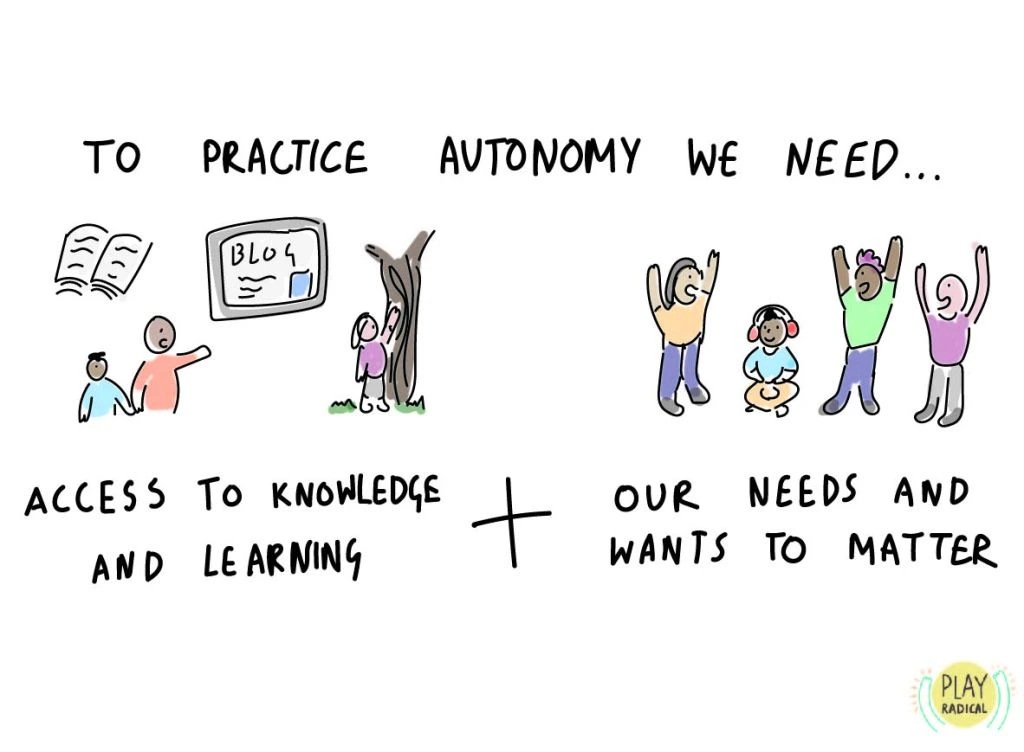
Autonomy doesn’t mean letting kids run wild online. It means giving them space to explore, make choices, and even make small mistakes, while knowing you’re there. When children are trusted to manage screen time, choose apps, or solve digital problems on their own, they don’t just become tech-savvy, but self-aware, responsible, and resilient. They learn how to think, not just what to click.
But what is the twist most of us miss? The goal isn’t raising kids who obey digital rules. It is raising kids who can navigate the digital world without us standing over their shoulders. Because one day, you won’t be there to block the website or take away the phone… and what they choose to do then is the real test of parenting in the tech age.
Technology isn’t optional anymore
For today’s children, technology isn’t a distraction from real life. It is a part of real life. From online classrooms and educational apps to friendships built over games and group chats, screens are where learning, creativity, and connection happen daily. Trying to separate children from technology entirely is like trying to raise them without gentle parenting books or conversations, it simply doesn’t reflect the world they are growing up in.
When control turns into a cage
Over-controlling a child’s digital life may feel like protection, but it often backfires. Constant monitoring, excessive restrictions, and fear-based rules can quietly send the message.
You are not capable of making good choices.
Instead of learning judgment, kids learn secrecy. Instead of curiosity, they develop anxiety around technology, using it only when they are unsupervised and unprepared.
Growth needs trust, not just rules
Children grow when they are allowed to practice independence in safe, guided ways. Giving them autonomy with technology builds confidence and critical thinking. When parents move from controlling every move to coaching from the sidelines, technology becomes a tool for growth, not a battleground. And that trust? It is what helps children carry good digital habits into adulthood, long after parental controls are gone.
Encouraging exploration in a digital world
Children learn best when curiosity leads the way. Allowing them to explore technology helps them become active learners rather than passive consumers. Exploration nurtures confidence and teaches children that technology isn’t just for scrolling. It is a gateway to discovery, creativity, and self-expression.
Teaching responsibility through everyday choices
Digital responsibility isn’t taught through strict rules alone. It is built through practice. Giving children age-appropriate control over screen time, online interactions, and content choices helps them understand consequences and accountability. When parents guide instead of dictate, children learn to self-regulate, make thoughtful decisions, and carry those habits beyond the screen.
Fostering creativity beyond consumption
Technology has immense creative potential when children are encouraged to use it intentionally. From digital art and storytelling to music, video editing, and design tools, screens can become spaces for creation rather than mere entertainment. Supporting creative use of technology helps children think imaginatively, express ideas confidently, and see themselves as creators, not just users.
Building problem-solving and critical thinking skills
Every digital challenge is an opportunity to think critically. Whether it is troubleshooting a game, evaluating online information, or figuring out how to complete a task using new tools, children sharpen their problem-solving skills when they are allowed to try first. Stepping back and letting them work through challenges builds resilience, logical thinking, and the confidence to face complex problems, online and offline alike.
Autonomy builds confidence from the inside out
When children are trusted with age-appropriate freedom, they begin to trust themselves. Making choices about apps, managing screen time, or exploring digital interests helps children develop self-confidence and decision-making skills. Autonomy sends a powerful message.
You are capable.
Over time, this belief shapes how children approach not just technology, but challenges in everyday life.
Raising tech-literate, not just tech-exposed kids
Being around technology doesn’t automatically make a child tech-literate. Autonomy encourages children to actively learn. Figuring out how tools work, asking questions, and adapting to new platforms. Instead of relying on constant instructions, they learn to solve problems, evaluate information, and use technology purposefully, skills that are essential in an ever-evolving digital world.
Capability grows through guided independence
True capability develops when children are allowed to try, fail, and try again, without fear. Parents who offer guidance instead of control create a safe environment for growth. By discussing online experiences, addressing mistakes calmly, and setting boundaries together, children learn resilience and accountability while knowing support is always within reach.
Parent participation without micromanagement
Encouraging autonomy doesn’t mean stepping away. It means stepping in differently. When parents stay involved through open conversations, shared digital activities, and genuine interest, they become partners rather than monitors. This balance of freedom and involvement strengthens trust, keeps communication open, and helps children grow into confident, capable, and tech-savvy individuals, ready to navigate the digital world with or without supervision.
Why autonomy matters more than ever in the digital age
The digital world moves faster than parenting rules can keep up with. New apps, platforms, and trends appear overnight, and children are often exposed to them before adults fully understand them. Autonomy equips children with adaptability. The ability to assess, learn, and respond thoughtfully in unfamiliar digital spaces instead of waiting to be told what to do.
From screen time battles to skill-building moments
When technology is treated only as a problem, it often becomes a power struggle. Shifting the focus from how long children are on screens to how they use them transforms daily conflicts into learning opportunities. Discussions around balance, purpose, and mindful usage help children develop healthier digital habits they can carry into adulthood.
Teaching digital ethics and empathy
Autonomy opens the door to meaningful conversations about online behaviour. Children need guidance on kindness, consent, privacy, and respect in digital spaces just as much as in real life. Allowing them to navigate interactions helps build empathy and strong moral judgments online.
Preparing children for a future shaped by technology
The future workforce will demand skills like adaptability, critical thinking, and digital fluency. When children are encouraged to experiment, create, and problem-solve with technology, they aren’t just keeping up. They are actually preparing. Autonomy helps them see technology as a tool for growth, innovation, and purpose rather than mere entertainment.
Frequently asked questions
- Isn’t giving autonomy risky in the digital world?
Autonomy doesn’t mean absence of boundaries. When paired with guidance, conversations, and age-appropriate limits, autonomy actually reduces risk. Children who understand why rules exist are more likely to follow them, even when no one is watching.
- How much freedom is appropriate at different ages?
Autonomy should grow with the child. Younger children need more structure and shared decision-making, while older children benefit from increased independence. The key is gradual release.
- What if my child makes mistakes online?
Mistakes are part of learning. Instead of reacting with punishment, use them as teaching moments. Calm discussions help children reflect, problem-solve, and make better choices in the future, strengthening critical thinking rather than fear.
Preparing kids for a world beyond parental controls
Raising tech-savvy children in today’s world isn’t about choosing between control and freedom. But actually, about finding balance. Autonomy empowers children to think independently, act responsibly, and use technology with purpose, while active parent participation provides the safety net they need to grow.
When parents move from being digital gatekeepers to trusted guides, children develop confidence, capability, and critical thinking skills that extend far beyond screens. In a rapidly changing digital landscape, the greatest gift we can give our children isn’t restriction. It is trust, support, and the ability to navigate their world wisely.